The question that comes up after “Should I get Botox?” is almost always “How much will it cost me?” The honest answer is that it depends, and the ranges can feel wide if you are pricing Botox near me for the first time. I have sat with countless patients who brought in screenshots of botox deals, had a friend’s botox price in mind, or were comparing botox vs Dysport. Once we map out units, areas, injector skill, and timelines for botox maintenance, the numbers stop being mysterious. They become a plan.
This guide breaks down where the dollars go, how clinics price botox injections, the difference between a good offer and a red flag, and what to expect from your botox appointment through recovery. You will come away knowing what https://www.youtube.com/channel/UCWRkJtp3Ll2k7EVHs5xWDOQ drives botox cost and how to balance price with natural looking botox results.
How Botox is Priced: Per Unit vs. Per Area
Most clinics price botox treatment in one of two ways. Per unit pricing lists a dollar amount for each unit injected. Per area pricing lists a flat fee for a treatment zone, such as forehead lines, crow’s feet, or frown lines. I have worked in practices that use both models, and each has trade-offs.
Per unit pricing gives you a transparent tally. If a clinic charges 12 to 20 dollars per unit, and your glabella (frown lines) needs 20 units, the math is simple. You pay exactly for what you use. The upside is fairness across different muscle strengths. Men often need more units due to thicker frontalis and corrugator muscles, so per unit pricing can feel tailored. The downside is that totals can creep up if you have strong movement or want broader coverage, such as a subtle brow lift or the tiniest touch on the nasalis for “bunny lines.”
Per area pricing removes arithmetic and sets expectations upfront. A clinic might charge a flat amount for crow’s feet on both sides, or for the forehead and frown area combined. This can be comforting for first time botox patients who worry about surprise add-ons. The trade-off is that light dosers may overpay relative to their actual botox dosage, and heavy dosers may feel like they scored a deal. Neither model is inherently better. What matters is clarity at the botox consultation and consistency at follow-up.
Across major U.S. metros, per unit prices commonly range from 10 to 22 dollars. Boutique practices that focus on subtle botox, baby botox, and natural results tend to sit toward the higher end. Medical spas with higher volume or aggressive botox specials often land on the lower end. A typical aesthetic session for facial wrinkles across the forehead, frown lines, and crow’s feet falls somewhere between 40 and 70 units, though dosing varies by anatomy, gender, and goals. Doing the math, a full upper face treatment commonly runs 500 to 1,200 dollars in most cities.
The Cost Anatomy: What You’re Paying For
Patients sometimes assume the product cost is most of the botox price. It is only one slice. You pay for the injector’s time and judgment, sterile supplies, clinic labor, rent, and follow-up care. Most importantly, you are paying for consistent, safe technique and the judgment to avoid overcorrection.
Experience raises costs for good reasons. An injector with thousands of treatments under their belt has seen outliers, asymmetric muscle pull, eye heaviness after a heavy-handed forehead treatment, even the rare artery that is not where the textbook predicts. Technical skill matters more with lower doses, when placement and depth carry the result. When you see a before and after with open eyes, softened frown lines, and normal brow movement, that is placement, not luck.
The cleanest litmus test for whether you are paying for value is follow-through. Ask how a clinic handles touch-ups, particularly in the first visit. Many practices schedule a brief botox appointment at two weeks for assessment. A few units may be added to balance asymmetry or enhance a brow lift, usually at no additional injector fee, though the units themselves are charged. That visit is where you see whether the team is committed to your botox results or to a one-and-done transaction.
Typical Doses by Area, With Real-World Ranges
Textbooks offer a starting point, but lived anatomy pushes you to adjust. For a woman in her 30s seeking subtle botox, I often use 10 to 20 units in the glabella, 6 to 14 units across the forehead, and 12 to 24 units for crow’s feet. A man in his 40s with strong frown lines might need 20 to 30 units glabellar, 12 to 20 forehead, and 16 to 24 crow’s feet. A conservative botox lip flip may use 4 to 8 units, while a gummy smile correction adds 2 to 4 units to the levator labii. Neck bands can range widely, from 20 to 60 units, depending on platysmal banding and neck width. Masseter reduction for jawline slimming usually requires 20 to 40 units per side, sometimes more for larger muscles.
These ranges explain why your neighbor’s price does not translate to your face. If you clench or grind, your masseters swallow more units. If you are sensitive to heaviness above the eyes, we lighten the forehead dose and maintain just enough movement for expression. Baby botox and micro botox simply mean using smaller, more superficial injections at lower doses for a softer effect. Lower doses reduce cost, but they also shorten longevity and often require more frequent botox maintenance.
The Longevity Question: How Long Does Botox Last?
Botox effect duration typically runs 3 to 4 months in the upper face, and 4 to 6 months for areas with larger muscles like the masseters. First time botox may seem to fade a bit faster as your body metabolizes the neuromodulator efficiently. Repeated sessions often stretch the interval as the muscles learn to relax. A handful of people are fast metabolizers, and for them the timeline for when to get botox again sits closer to 10 to 12 weeks.
A light dose in the forehead for a very natural look might give a two and a half month sweet spot before movement returns. A higher, but still tasteful dose for frown lines might look smooth through four months, then soften gradually. Think of it as a dimmer returning, not a switch. The botox results timeline usually unfolds like this: mild softening at day two to three, clear change by day seven, peak effect at day 14. The first botox appointment typically reveals your personal cadence.
Brand Differences: Botox vs Dysport vs Xeomin vs Jeuveau
Clinics often stock more than one neuromodulator. The differences are not night and day, but they exist. Xeomin has no accessory proteins, which some clinicians prefer for long-term use to potentially reduce antibody risk, though true resistance is rare. Dysport can diffuse a touch more, so it may feel smoother across larger areas like the forehead in the right hands. Jeuveau performs comparably to Botox Cosmetic in many faces. Prices per unit can vary, but beware apples to oranges comparisons. Dysport units are not equivalent 1:1 to Botox units; ratios around 2.5 to 3:1 are commonly used in practice. A cheaper unit price may not mean a cheaper session if you need more units for equivalent effect.
If you have a brand preference or previous botox side effects, share that during your botox consultation. I have patients who swear a certain brand gives them the best brow shape, and others who notice no difference. Consistency matters more than the logo. The injector’s plan and your follow-up routine carry the day.
Where Deals Make Sense, and Where They Do Not
People find botox offers through clinic newsletters, manufacturer rewards programs, seasonal botox specials, and loyalty bundles that combine botox and fillers together. There is nothing wrong with a fair discount. Manufacturers frequently run rebates that reduce cost by 20 to 100 dollars for qualifying treatments, and enrolling takes a minute at the front desk. New patient promos are common and can be legitimate.
The red flags sound like any too-good-to-be-true offer. Prices far below market average, especially when quoted per area, make me ask whether the dosing is sufficient for real results. Vials are expensive. A clinic can only push price so low before they must dilute, underdose, or cut focus on aftercare. Another risk is upselling. A cheap ad might lock you into treatment zones you do not need, or tack on “mandatory” add-ons that are anything but. If a special is structured around a sensible minimum dose with clear per unit pricing beyond that, it is usually fine. If it is loaded with fine print and pressure tactics, step away.
Loyalty pricing does help patients who keep a regular schedule. Many practices drop unit prices slightly for repeat clients, or include complimentary two-week checks. If you plan on botox touch ups or regular botox maintenance, ask how a clinic rewards consistency. The best botox results come from staying on a cadence, not from chasing sporadic flash sales.
Face Map, Goal, Budget: Matching Your Plan to Your Wallet
A budget does not disqualify you from good work. It asks for prioritization. If your top concern is the “elevens” between the brows, target them first. Strong frown lines make a face look more tired or stern than forehead lines do. A glabellar treatment of 16 to 24 units often creates a brightening effect by itself. If you add forehead lines at a light dose, you might only need 6 to 8 units to soften etching while keeping your brows active. Crow’s feet can wait a session if needed.
For smile line concerns, botox for smile lines around the mouth is usually not the answer, since those creases are often volume driven. That is where botox vs fillers becomes a key conversation. Botulinum toxin relaxes muscles; hyaluronic acid fillers replace volume. Sometimes botox and fillers together make sense, for example a brow lift with a touch of lateral brow filler, or a botox lip flip followed by soft filler for structure. Bundle pricing can be friendly, but do not let the bundle dictate the plan. The face does.
When patients ask how much botox do I need, I translate to goals and timelines. If they want baby botox to test the waters, we set expectations for a shorter botox effect duration and possibly a sooner touch up interval. If they want the longest runway, we dose appropriately and plan to see them closer to 4 months, not 8.
First Visit Realities: What to Expect and What to Budget
A standard botox procedure starts with photos and mapping. I have patients frown hard, raise brows, smile, and squint. We mark active creases and note asymmetries. If they are prone to eyelid heaviness, I lower the forehead dose and favor the glabella. The injections are quick, often less than 10 minutes. Most people describe them as pinches, not pain. A dab of pressure or ice keeps bruising low. For patients nervous about needles, a stress ball and slow breathing work better than numbing cream for these tiny sticks.
Pricing conversation takes a couple of minutes and should never feel rushed. We discuss units, the total botox price, and whether a touch-up fee applies. I advise patients to avoid strenuous workouts for 24 hours, skip facials for a few days, and keep their head upright for a handful of hours after treatment. Minor bumps settle in 30 minutes. Makeup can go on later that day once the skin is calm.
Bruising happens occasionally, especially around crow’s feet or when we treat fine lines near the mouth. Arnica can help but is not magic. Plan treatments at least two weeks before a major event. That window covers the botox results timeline and allows room for fine tuning.
Risks, Side Effects, and How to Avoid a Bad Outcome
Botox cosmetic is widely used and considered safe when performed by trained clinicians. The common side effects are local and temporary: pinpoint bruises, mild swelling, a headache that resolves within a day or two. Rare issues, like eyelid droop, usually come from product migration or dosing the frontalis without balancing the frown complex. Good mapping prevents most of this. If something looks off at one week, do not wait and hope. Call the clinic. Minor asymmetries are often fixable with a couple of units.
“Botox gone wrong” stories get attention because faces are our identity. They also teach us. Heavy foreheads happen when injectors chase every forehead line instead of respecting lift. Spocked brows happen when the lateral frontalis is missed. Smile quirks from a lip flip occur when the dose is too high or misdirected. A careful injector watches the face move, not just the lines. That discipline is what you pay for.
For patients worried about botox long term use, the data over decades of medical and cosmetic use show stable safety profiles when dosing is appropriate. Muscles do not “melt,” and stopping botox does not make wrinkles worse. What you see is a return to baseline movement and the lines that would have progressed if you had never treated. Preventative botox can slow etching in expressive areas. The art is minimal dosing in younger faces, and an honest warning that too little will not hold through busy expressions.
Special Use Cases That Change the Math
Botox for TMJ and teeth grinding can be life changing for people with jaw pain and headaches. It also needs more units, and sessions may cost 600 to 1,200 dollars or more depending on masseter strength. The same applies to botox for migraine relief and botox for excessive sweating. Hyperhidrosis treatments, especially underarms, use higher doses and can cost 800 to 1,500 dollars per session, but the relief lasts longer, often 4 to 6 months or more. These medical indications may be covered by insurance in certain circumstances, separate from cosmetic care.
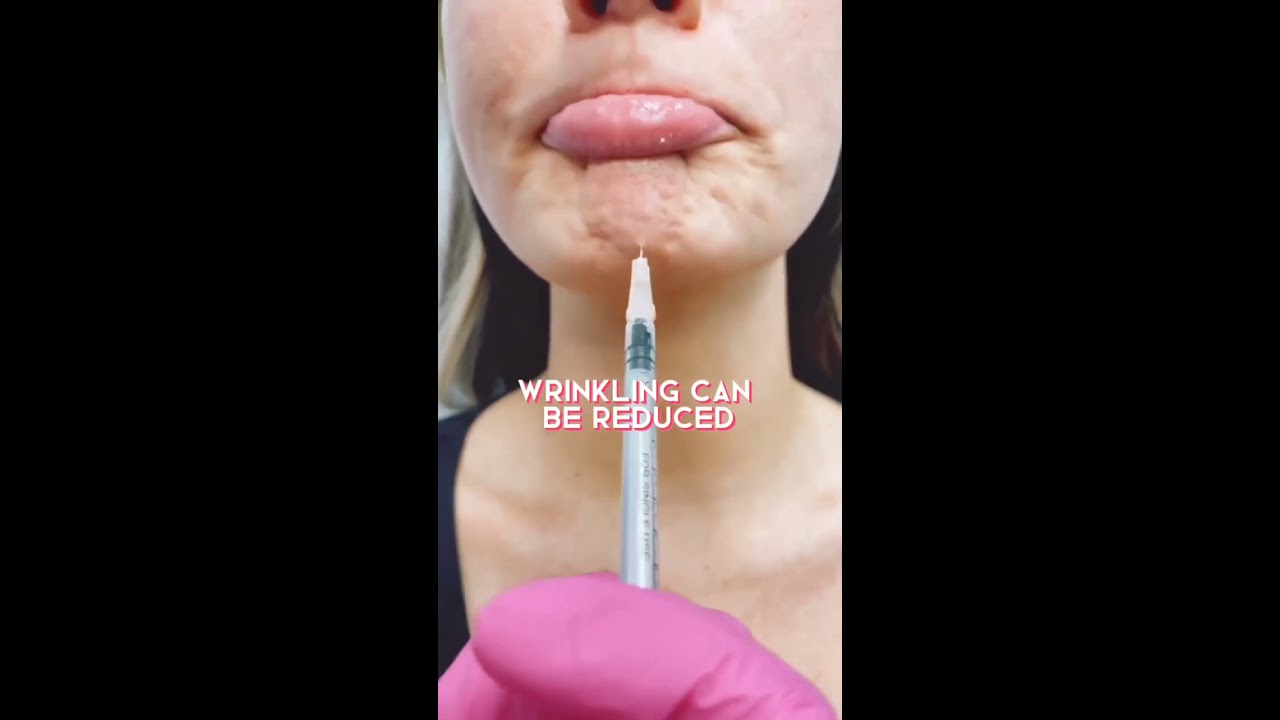
Patients requesting a botox brow lift, botox eye lift, or correction of a gummy smile should be ready for fine tuning at the two-week check. Millimeters matter in the upper face. If you want to draw the eye upward without the “surprised” look, we need to preserve some frontalis activity and delicately release the lateral tail. Small adjustments and a measured hand yield the best results.
Aftercare That Protects Your Investment
After a botox session, treat the first day as a gentle day. Skip hot yoga and long runs. Keep your head upright for several hours. Do not rub or massage injection sites aggressively. A mild headache may respond to acetaminophen. Bruising, if it happens, can be covered with concealer after the first few hours. If you notice botox swelling and bruising that seems unusual or worsening after 48 hours, call your provider.
At one week, take a simple set of selfies in natural light: neutral, frown, raise, and smile. This becomes your botox before and after set to track your personal botox timeline. At two weeks, schedule that quick look if your clinic recommends it. Subtle tweaks now save you from over-treating next time. The best time to get botox again is when movement returns to the threshold that bothers you, not when you feel perfectly smooth. Overlapping doses can be fine, but serial overtreatment can lead to a flat look.
Price Benchmarks and Why Geography Matters
A downtown practice in a major coastal city carries higher rent, staff costs, and insurance. A suburban medical spa in the Midwest will price differently. Typical per unit costs cluster between 12 and 18 dollars in many suburbs, 14 to 22 in big city centers, and 10 to 14 in high-volume, deal-driven settings. If you see a unit price below 9 dollars consistently, ask to understand their dosing approach, brand, and follow-up policy.
For a single-area treatment like frown lines alone, budgets of 200 to 450 dollars are common. A light forehead or crow’s feet-only treatment might be 150 to 350 dollars. Combined upper face often lands between 500 and 1,200 dollars, depending on dose and city. Masseter reduction starts around 500 to 900, sometimes more for larger builds. Neck bands vary widely and should be quoted after assessment, since anatomy drives both units and placement.
How to Compare Clinics Without Getting Lost in Numbers
You will likely have two lists: clinics with competitive botox offers and clinics with glowing word of mouth. Bring both to your search. Transparent pricing signals a healthy practice, but return clients signal trust. Ask three questions during a botox consultation: Who actually injects me, and how many treatments do they perform weekly? What is your policy on touch-ups within two weeks? How do you handle concerns or asymmetries? The tone of the answers tells you almost as much as the content.
Photos help, but look for diversity in ages, genders, and baseline anatomy in the botox before and after galleries. If every forehead is glass, and every brow is high, that is a house style that may not fit you. If you want subtle botox, ask to see subtle cases. If you are a man, ask to see botox for men examples that keep a masculine brow.
Budgeting Over a Year: The Real Cost of Maintenance
Most cosmetic botox patients visit three to four times per year. If you spend 650 dollars per session for upper face and go three times, that is 1,950 per year. If you prefer baby botox at 350 per session but go four times, you are around 1,400 per year. Masseter treatments two times per year at 800 dollars each add 1,600. Add a lip flip here and there at 100 to 200 dollars and the year’s cost rounds out. There is no single right number, but clarity helps you plan. Memberships that shave 10 percent off units and include a free check visit can make sense if you are consistent.
One practical tip: align your botox appointment with your calendar. Treat about a month before major photo events for a peak at two weeks and a buffer for tweaks. Avoid trying a brand-new area right before a wedding or speech. Stagger a new treatment zone into a quieter month.
When Botox Is Not the Best Tool
Botox for fine lines works best when the lines are dynamic, caused by muscle movement. Etched-in lines at rest can soften with neuromodulators, but sometimes they need skin quality work or fillers. Deep forehead creases in older skin may respond better to a combination of conservative botox plus a fractional laser or microneedling series. Smile lines around the mouth often need filler structure and skin texture improvement more than muscle relaxation. Oily skin and enlarged pores do not vanish with standard botox, though micro botox placed superficially can modestly improve shine and pore appearance in experienced hands. Honesty here protects your budget and your expectations.
Two Smart Ways to Save Without Sacrificing Results
- Join the manufacturer’s rewards program and your clinic’s membership on day one. Stack the initial rebate with loyalty points for routine visits. It is the easiest way to trim 50 to 150 dollars per session without cutting doses. Prioritize the area that changes your expression the most. If your budget is tight, treat glabella reliably and rotate secondary zones, rather than sprinkling too few units everywhere.
A Simple Two-Week Check Routine That Pays Off
- Day 0: Gentle day. No workouts. Keep upright for four hours. Day 7: Take four photos in consistent light: neutral, frown, raise, smile. Day 10 to 14: Quick clinic check if needed. Address mild asymmetry with a few units based on photos and live exam. Day 30: Note satisfaction level and any fading signs in your calendar. Plan next botox session on the day movement returns to your threshold, not earlier.
Final Thoughts From the Chair
If I had to condense years of botox cosmetic work into one piece of advice on cost, it would be this: buy skill, not milligrams. A fair botox price that includes a thoughtful plan, conservative dosing where needed, and accessible follow-up will always beat a rock-bottom deal that leaves you flat or chasing fixes. The most expensive session is the one that has to be undone or hidden.
Spend your first appointment looking in the mirror with your injector, not at the clock. Talk about your expression goals, your tolerance for movement, and your calendar. Decide whether you want preventative botox or a stronger correction. Count units afterward, not before. Then keep a steady rhythm. Consistency gives you the best botox results, the cleanest budget, and the most natural face looking back in your photos.